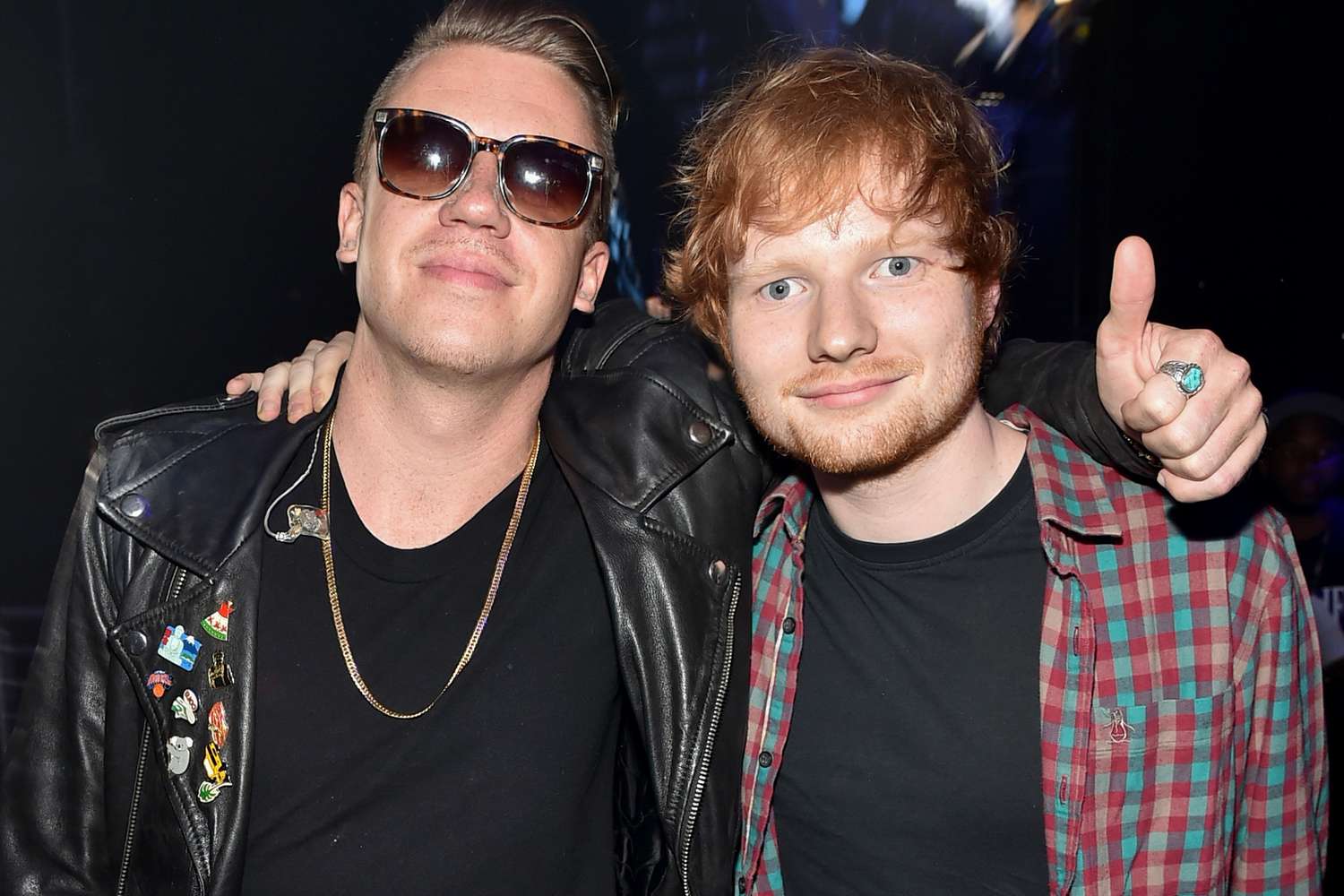
The interplay between music and fashion is a dynamic confluence that perpetually influences global cultures and commercial markets. This relationship is so intertwined that it is virtually impossible to separate the auditory experience of music from the visual spectacle of fashion.
Historical Fusion: The Roots of Influence
Historically, music and fashion have shared pivotal moments that have marked entire eras. During the 1950s, rock ‘n’ roll revolutionized culture, inspiring the iconic ‘greaser’ look characterized by leather jackets and denim jeans. The 1960s counterculture, propelled by the Beatles and the Rolling Stones, introduced the vibrant and eclectic styles of the era, highlighting a rebellion against societal norms. The punk rock movement of the 1970s brought about another seismic shift, with bands like the Sex Pistols sporting DIY fashion featuring safety pins and ripped clothing, which was soon adopted by major designers.
Economic Influence: Reaching Beyond Visual Integration
The music industry and fashion brands often coalesce economically, leading to lucrative collaborations that amplify their reach and influence. Designers and fashion houses frequently partner with musicians to create exclusive lineups, such as Adidas’ partnership with Kanye West for the Yeezy brand. These collaborations not only boost sales but also enhance brand identity, embedding musicians firmly within fashion’s cultural lexicon.
Contemporary Pop Icons: Curators of Trendsetting Flair
Today, pop figures such as Beyoncé, Rihanna, and Harry Styles exert more influence than ever on contemporary fashion, with Beyoncé’s Ivy Park partnership with Adidas highlighting a dynamic blend of sportswear and high-end style, while Rihanna’s Fenty brand is widely acclaimed for championing inclusivity and diversity; these artists not only guide fashion tastes but also help shape emerging trends, steering the industry through their distinct stylistic expressions.
Alternative Subcultures and Specialized Markets
Fashion and music frequently converge across niche scenes and subcultures, where their impact becomes intensely localized. The K-pop movement highlights this connection, with major acts such as BTS not only leading the global music landscape but also shaping international fashion by blending streetwear with luxury style, a combination that has driven significant economic expansion in associated sectors.
Runway and the Acoustic Experience
The role of music during fashion shows is indispensable. Designer Alexander McQueen famously used music by Björk and Radiohead to create memorable runway experiences that went beyond visual impact to evoke deep emotion. The soundtrack of a fashion show is meticulously curated to augment the thematic narrative of the collection, transforming a fashion display into a multisensory experience.
Fashion as a Natural Expression of Musical Identity
Musicians often treat fashion as a natural extension of their own identity and public image. For example, Lady Gaga’s daring and avant-garde outfits continually underscore her reputation as an artist who challenges conventions. In the same way, Billie Eilish’s preference for oversized attire has evolved into her signature style, expressing views on body perception and personal freedom.
How Technology Connects Diverse Realms
The convergence of music, fashion, and technology has created fresh pathways for innovation and business opportunities. Virtual concerts and online fashion showcases gained momentum, particularly during global moments like the COVID-19 pandemic. Digital platforms allow artists and designers to engage vast new audiences, exemplified by Travis Scott’s virtual concert in Fortnite, which blended music with striking digital fashion displays.
Cultural Influence
Examining the synergistic relationship between music and fashion unveils a tapestry of cultural evolution and economic symbiosis. Both realms, inseparable in their ability to convey identity and influence societal norms, continue to drive innovation and creativity. As trends evolve, the partnership between music and fashion will undoubtedly remain a potent force in shaping global cultural landscapes.